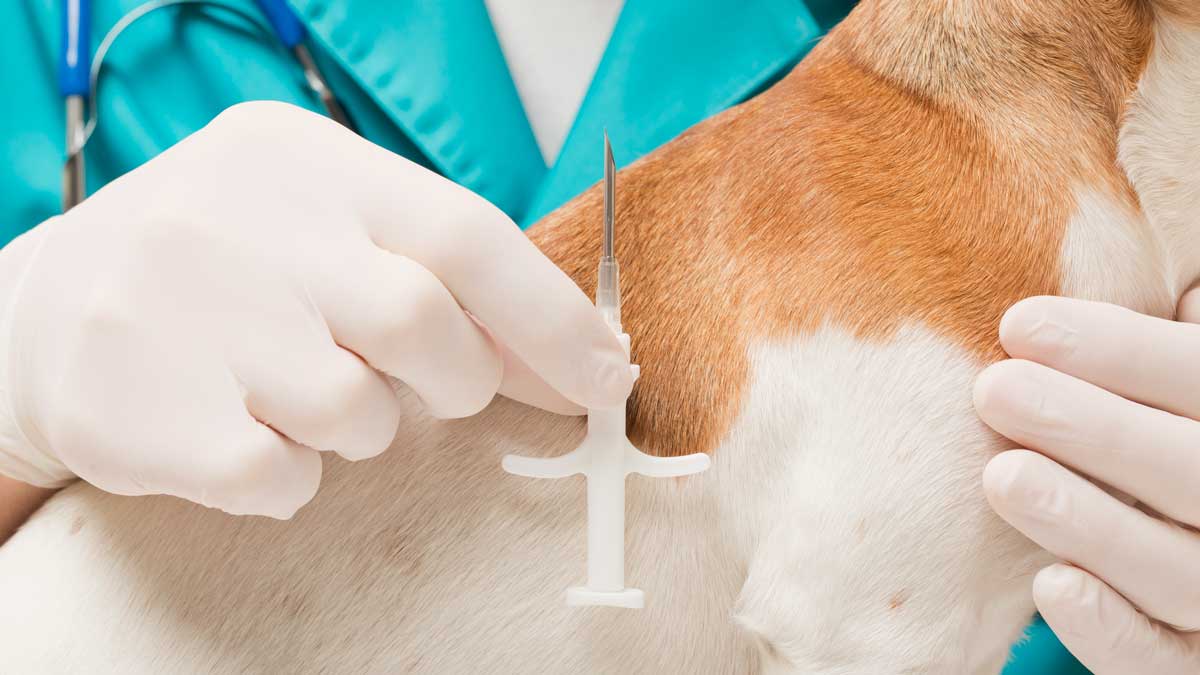
Microchipping is one of the simplest and most effective ways to protect your pet. This tiny implant, about the size of a grain of rice, is inserted under your pet’s skin and carries a unique identification number linked to your contact information. Unlike collars or tags, which can fall off or be removed, a microchip provides a permanent form of identification, ensuring your pet can be identified even in challenging situations.


When a lost pet is found, animal shelters and veterinarians can scan the microchip to access the owner’s details, making the reunion process much faster and more efficient. It’s especially crucial for pets that are prone to wandering or escaping, as it dramatically increases the chances of a safe return. Statistics show that microchipped dogs are returned to their owners over 50% more often, and microchipped cats are 20 times more likely to be reunited.
Key information
The procedure to implant a microchip is quick and minimally invasive, akin to a routine vaccination. It’s a one-time process that lasts a lifetime, with no maintenance required other than keeping your contact details up to date in the microchip database. This step is critical: a microchip is only as useful as the information it contains, so always update your details if you move or change phone numbers. Many databases also allow you to include secondary contacts, offering an extra layer of security.
Is it expensive?
Microchipping is a small investment that can make a world of difference. Not only does it provide peace of mind, but it also significantly improves the likelihood of reuniting with your pet if they ever get lost. For pet owners who travel frequently or have outdoor pets, microchipping is an essential safety measure.
In addition to its role in recovery, microchipping also contributes to overall pet safety. For example, in some countries, microchipping is legally required for pet registration, ensuring that pets are accounted for and protected under local laws. It’s also an excellent way to prove ownership in cases of disputes.
A tiny chip can make a world of difference – it’s the key to bringing your furry friend back home.”
Ultimately, microchipping is a compassionate and responsible choice for pet owners. It represents a simple yet impactful way to safeguard your furry friend’s well-being, giving you the reassurance that, no matter what happens, there’s a better chance of bringing them home. If you haven’t already, consider speaking with your veterinarian about microchipping—it’s a decision you’ll never regret.
If you are looking for more tips on how to care for your pet, look into our guide!
