Caring for a pet is a rewarding journey filled with joy, companionship, and love. Whether you have a playful puppy, a curious kitten, or an exotic bird, providing the best care for your pet ensures their well-being and strengthens the bond you share. Here’s a comprehensive guide pet care to keep your furry, feathered, or scaly friend happy and healthy.
Nutrition: The Foundation of Good Health
A well-balanced diet is essential for your pet’s health. Different species and breeds have unique nutritional needs, so consult your veterinarian to determine the best diet for your pet. Key tips:
- Choose High-Quality Food: Opt for reputable brands or vet-approved diets that meet your pet’s age, size, and health requirements. You can cook the food for your dog yourself. Find best recipes here.
- Avoid Harmful Foods: Chocolate, grapes, onions, and certain artificial sweeteners can be toxic to pets.
- Monitor Portion Sizes: Overfeeding can lead to obesity, a common issue in pets.
- Provide Fresh Water: Ensure clean, fresh water is always available.

Exercise and Mental Stimulation
Pets need regular physical activity and mental engagement to thrive. Here’s how you can keep your pet active:
- Daily Walks and Play: Dogs benefit from daily walks and interactive play, while cats love chasing toys or exploring scratching posts.
- Enrichment Activities: Use puzzle feeders or toys that challenge your pet’s mind.
- Social Interaction: Spend quality time with your pet and consider playdates with other pets if they’re sociable.

Routine Veterinary Care
Regular check-ups are vital for detecting health issues early. Schedule annual visits and stay up to date on vaccinations, flea treatments, and deworming. Additionally:
- Spay or Neuter: This reduces the risk of certain health problems and unwanted litters.
- Dental Care: Brush your pet’s teeth or use vet-recommended dental treats to maintain oral health.
- Don’t forget to microchip your pet to maximize the chances of it being quickly found in case it gets lost.

Grooming and Hygiene
Proper grooming keeps your pet comfortable and healthy. Grooming needs vary by species and breed, but common practices include:
- Brushing Fur: Regular brushing removes loose hair and prevents matting.
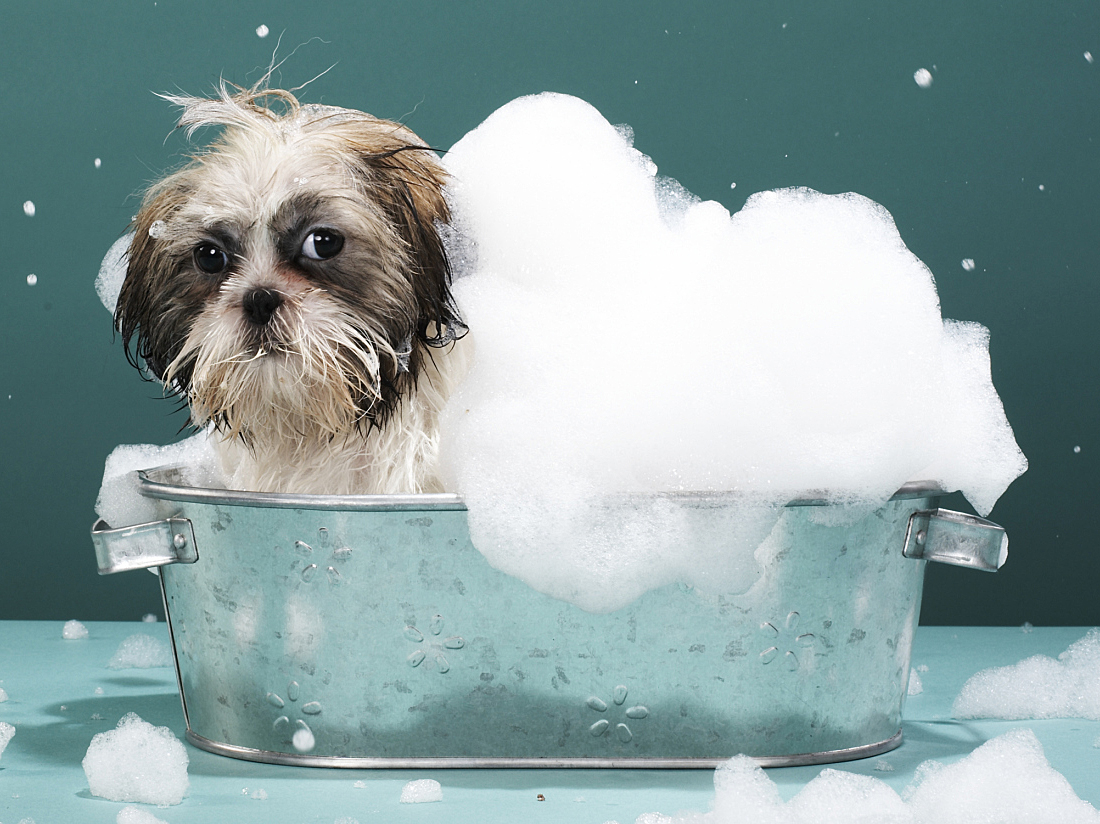
- Bathing: Use pet-safe shampoos and bathe only as needed to maintain skin health.
- Nail Trimming: Keep nails at a safe length to avoid discomfort or injury.
- Cleaning Ears and Eyes: Gently clean these areas to prevent infections.

Creating a Safe Environment
A safe home environment is crucial for your pet’s well-being. Consider these tips:
- Pet-Proof Your Space: Remove hazards like toxic plants, chemicals, and small objects that can be swallowed.
- Provide Comfort: Ensure your pet has a cozy bed and designated space where they can feel secure.
- Secure Outdoors: Check for escape routes in your yard and supervise outdoor activities.

Building a Strong Bond
The relationship you have with your pet is built on trust and affection. Strengthen your bond by:
- Spending Quality Time Together: Play, cuddle, and communicate with your pet daily.
- Understanding Their Needs: Learn your pet’s body language and respond to their cues.
- Positive Reinforcement: Reward good behavior with treats, praise, or toys.
